
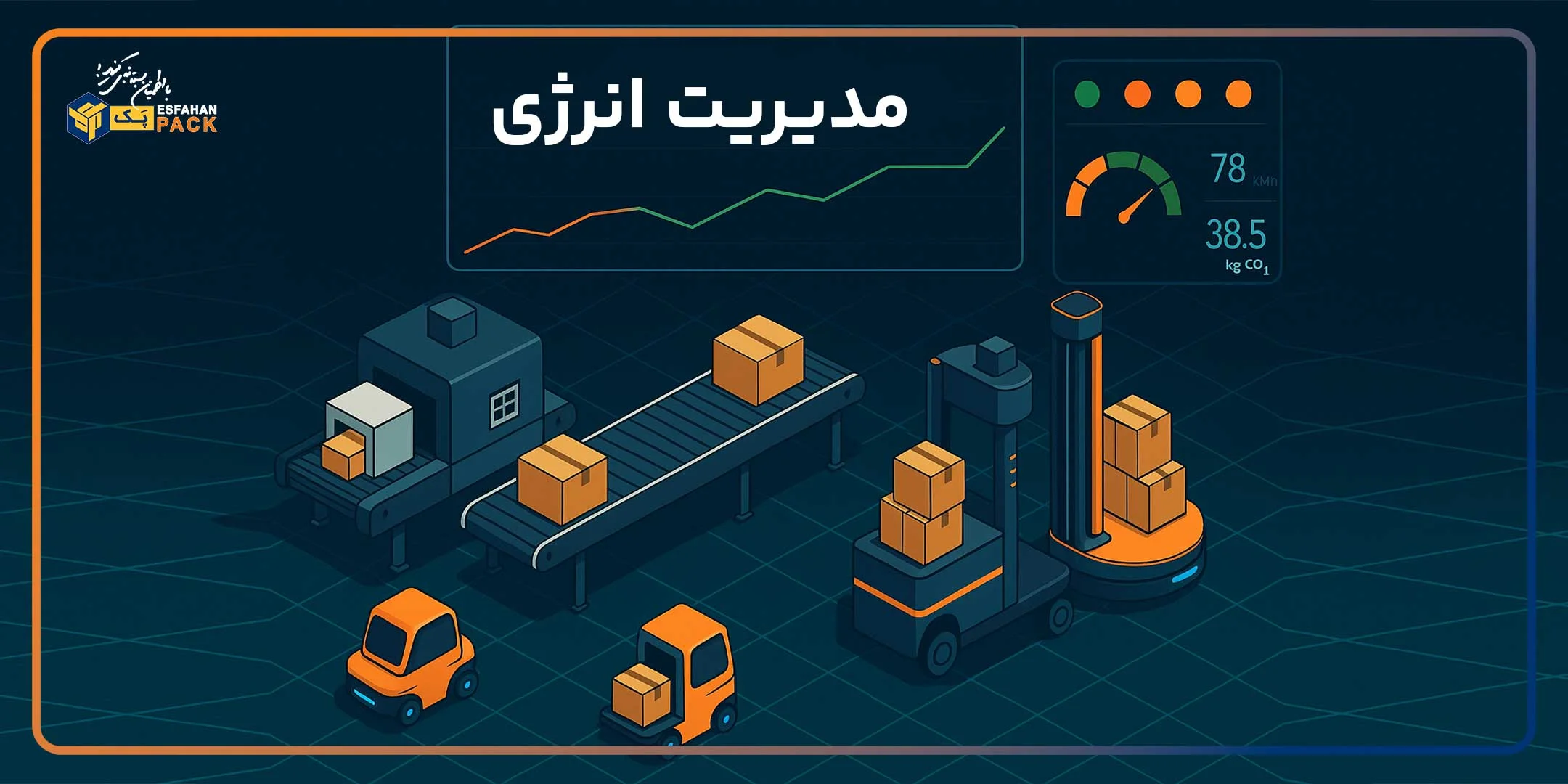
Energy management in production and packaging lines means measuring and improving how equipment uses power and heat per useful unit of output. Shrink tunnels, conveyor drives, compressors and pallet stretch wrappers all influence the result. The right starting point is a measured baseline, followed by changes that preserve product quality and safety.
Where energy is used and lost
Heat escapes from poorly insulated tunnels and open doors; conveyors and motors consume electricity while idle; compressed-air leaks waste compressor power. Frequent stops, warm-up, poor settings and rejected packs add energy without producing saleable goods. Measure the whole line as well as the largest loads.
Dual-fuel equipment and supply flexibility
Where a machine is specifically designed and approved for more than one fuel, a dual-fuel option can provide supply flexibility. Actual efficiency, fuel availability, emissions, safety requirements and changeover costs must be evaluated for the installation; dual fuel does not automatically reduce total energy use.
Automation, robotics and pre-stretch
Appropriate automation can reduce unnecessary movement, rework and unplanned waiting. A palletizer or conveyor should be sized and coordinated with the rest of the line: a robot is not automatically more energy-efficient. Measure energy per accepted unit before and after a change.
On a pallet stretch wrapper, pre-stretch can reduce film consumption when film properties and load stability permit. Reduced tearing and rewrapping may also reduce indirect energy use. Verify load containment and film performance rather than assuming the highest stretch setting is best.
Control temperature and motors
A properly tuned PID controller can stabilize tunnel temperature; an SSR may provide electronic heater switching when correctly specified and installed. Neither component guarantees savings alone. Confirm the required film temperature and dwell time, check insulation and airflow, and avoid excessive heating. Variable-speed drives can help suitable motor loads, but the benefit depends on the load and control strategy.
Measure performance and maintain equipment
Record electricity and fuel by major process, production volume, rejection rate and operating hours. Useful indicators include kWh per 1,000 acceptable packs or per pallet, warm-up time, idle time, film per pallet and unplanned stops. Compare like-for-like products, shifts and throughput before attributing savings to a change.
Preventive maintenance includes inspecting heaters and insulation, sensors, conveyors, motors and compressed-air leaks. Follow the equipment manufacturer’s procedures and isolate energy sources before maintenance.
A practical improvement plan
- Map the line and establish a baseline for energy, good output and waste.
- Address leaks, unnecessary idle operation and maintenance defects.
- Test temperature, dwell time and drive settings within the product’s validated limits.
- Check film use and load stability; trial pre-stretch where applicable.
- Assess monitoring, control upgrades or robotics using measured costs and results.
- Train operators, document approved settings and review indicators regularly.
Costs and limitations
Upgrades can require capital, technical skills and integration across equipment of different ages. Lack of reliable baseline data makes savings difficult to prove. Pilot improvements on a representative product and evaluate product quality, safety and maintenance alongside energy consumption.
Frequently asked questions
Which packaging processes should be measured first?
Start with significant heat loads, compressors, motors and equipment with long idle periods, then check actual measurements.
Can smaller factories benefit?
Yes. Reducing leaks, improving maintenance and controlling idle time can be useful at many scales; results must be measured.
Does reducing film always reduce energy?
Not necessarily. Pre-stretch primarily changes material use; indirect effects on rework and energy depend on the process.