
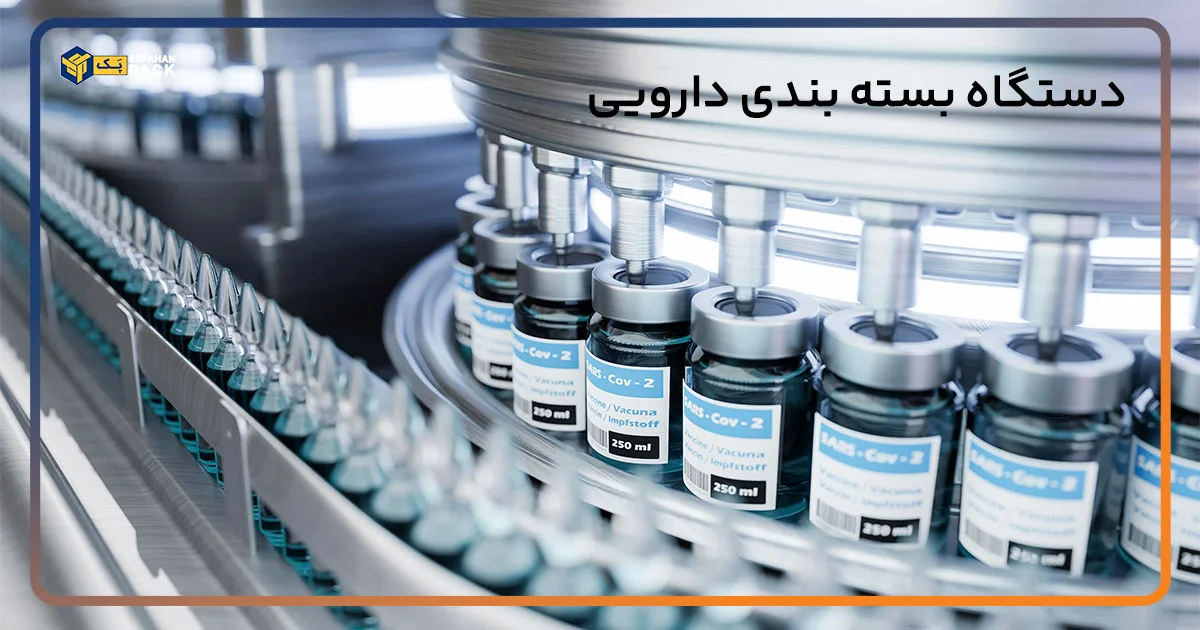
Pharmaceutical packaging equipment ranges from machines that form or fill the primary container to cartoning and end-of-line systems. Selection depends on the dosage form, protection requirements, production rate, cleaning and the regulatory rules applicable to the product and market.
Why pharmaceutical packaging matters
The packaging system helps protect and identify the medicine and support handling and traceability. Protection, compatibility, shelf life and compliance must be established for the complete product and packaging system; a machine alone does not guarantee them.
Types of pharmaceutical packaging machines
Blister packaging machines
Blister systems form or handle cavities and seal tablets or capsules with a suitable lidding material. PVC/aluminium and aluminium/aluminium structures offer different barrier and forming characteristics; select them through product-specific testing and specifications.

Bottle filling and packaging
Depending on the application, bottle lines can include counting or filling, capping, inspection and labelling. The container, closure and process must be compatible with the medicine.

Sachet machines
Sachet equipment forms, fills and seals individual portions of suitable powders, granules or liquids. Material compatibility, dosing accuracy and seal integrity require verification.

Cartoning machines
Cartoners place primary packs and, where required, leaflets into cartons. Coding and inspection can be integrated when supported by the equipment and the applicable requirements.

Tube filling
Tube fillers dispense and seal suitable creams or ointments. Product properties, contact materials, cleaning and the required fill accuracy guide machine selection.
Primary, secondary and end-of-line packaging
Primary packaging contacts or directly contains the product. Secondary packaging groups and identifies primary packs; end-of-line operations prepare cartons or pallets for handling and distribution. Depending on the product, these stages may involve carton sealing, labelling, shrink wrapping or pallet stretch wrapping. Equipment intended for a cleanroom must be assessed for that environment.

Quality, materials and validation
Applicable good manufacturing practice, local rules and the manufacturer’s quality system determine documentation, cleaning, inspection and qualification needs. Stainless steel grades are selected according to contact, corrosion and cleaning requirements; grade 316 is not automatically required everywhere. Validate the process and confirm seal integrity, dosing, coding and traceability as applicable.
Choosing equipment
- Define dosage form, container, barrier needs and target output.
- Review contact materials, cleanability and changeover.
- Specify inspection, coding, data integrity and traceability for the destination market.
- Plan installation, qualification, maintenance, training and spare parts.
- Confirm compatibility with the existing line and intended operating environment.
Frequently asked questions
Blister or strip packaging?
The choice depends on the medicine, required protection, materials and process. Evaluate both against validated product requirements.
Can one machine pack several medicines?
Some equipment supports multiple formats with change parts and appropriate cleaning and validation; verify the specific machine and products.
Is semi-automatic equipment suitable for small batches?
It may be, provided the required quality, documentation and applicable regulatory controls can be met.